Drilling & Injecting

Drilling concrete slabs and injecting chemical is one of the ways to protect a property from termites, and then there are obviously variations of those treatment methods depending on the type of construction and requirements of the treatment. However, there have to be a few specifications met to ensure it is done correctly. Here we will highlight a few for you to consider.

Hole Spacings! When holes are drilled to inject termiticide under a concrete slab to treat the footing of a wall, the holes cannot be more than 150mm from the wall. This home had holes exceeding 300mm. Needless to say, the original treatment failed …

Hole Spacings! When holes are drilled to inject termiticide under a concrete slab to treat the footing of a wall, the holes cannot be more than 150mm from the wall. This home had holes exceeding 300mm. Needless to say, the original treatment failed and the home was re infested. 

Injecting Termidor under a slab.

Injecting Termidor under a slab.

Holes are often drilled around a perimeter to ensure a complete chemical barrier to prevent termites getting in.

Hole spacings on this property exceeded 300mm! Once again, they were beyond specification, holes should be between 150-300mm apart. The greater tolerance is reserved for porous soil types and rarely used in our practice. Ironically this was done on …

Hole spacings on this property exceeded 300mm! Once again, they were beyond specification, holes should be between 150-300mm apart. The greater tolerance is reserved for porous soil types and rarely used in our practice. Ironically this was done on an internal wall that was a 
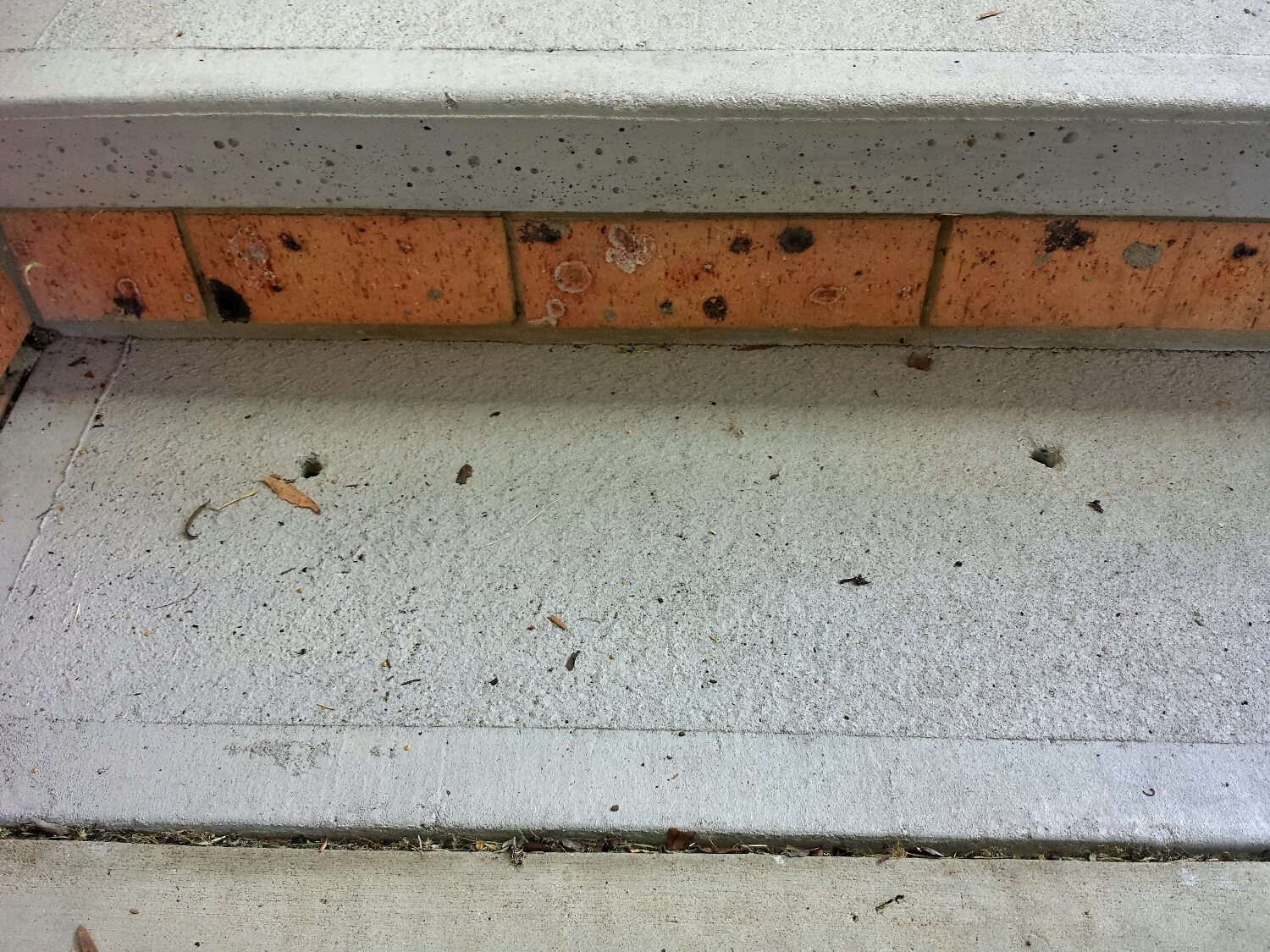
Once again, hole spacing was beyond specification. More examples below.... 

Once again, hole spacing was beyond specification. More examples below.... 

image.jpg
image.jpg
upload.jpeg

Termatrac finds termites - where thermal imaging won't!

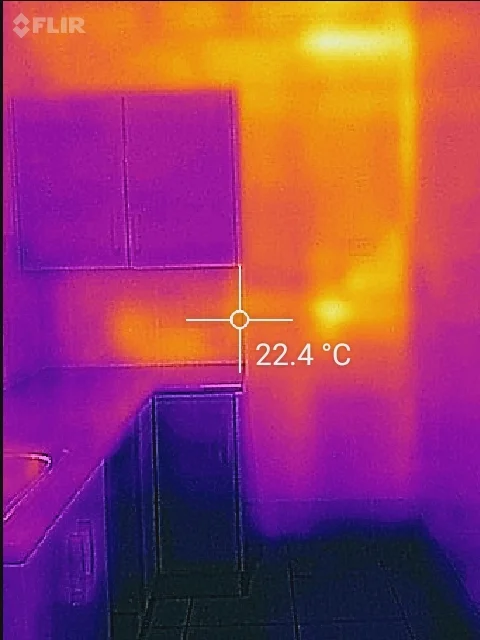
Most people have heard of thermal imaging inspections, mostly due to the heavy advertising that takes place to promote it by inspectors. But many people don't realise the limitations that comes from using thermal imaging. Here is a great example of why the Termatrac T3i is superior in detecting termites. (And no, I'm not paid by Termatrac, more like I pay them for my Termatrac!)

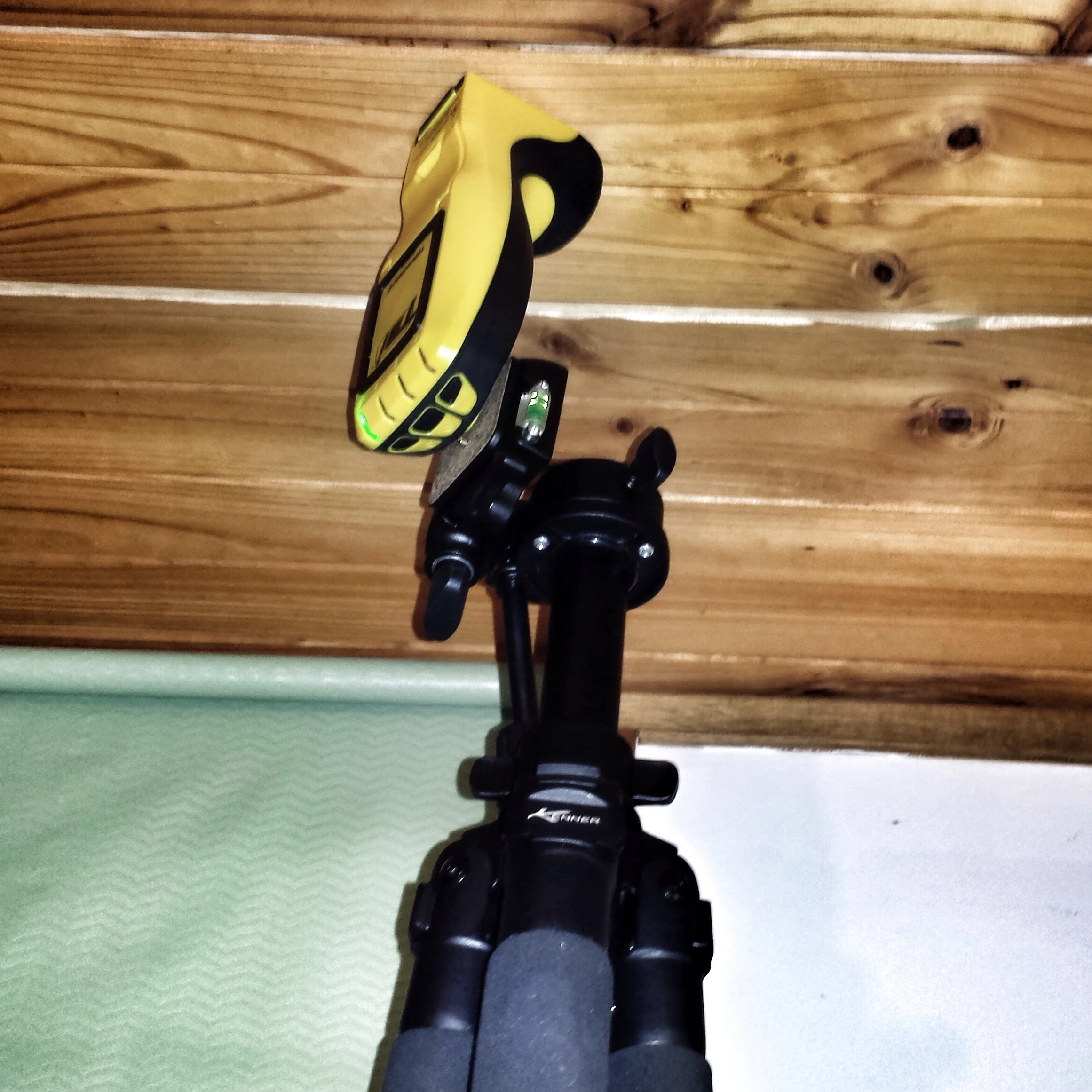
A Termatrac T3i Set up on a tripod to detect termites moving in a ceiling - this was in a 2 storey building where the cavity was heavily insulated.

A Termatrac T3i Set up on a tripod to detect termites moving in a ceiling - this was in a 2 storey building where the cavity was heavily insulated.

In this particular instance, the ceiling did not have any temperature variation at all, which meant that thermal imaging was not able to detect any activity at all. The Termatrac however, could locate the areas of activity, thus allowing the area to be baited accurately with minimal disturbance to the termites.

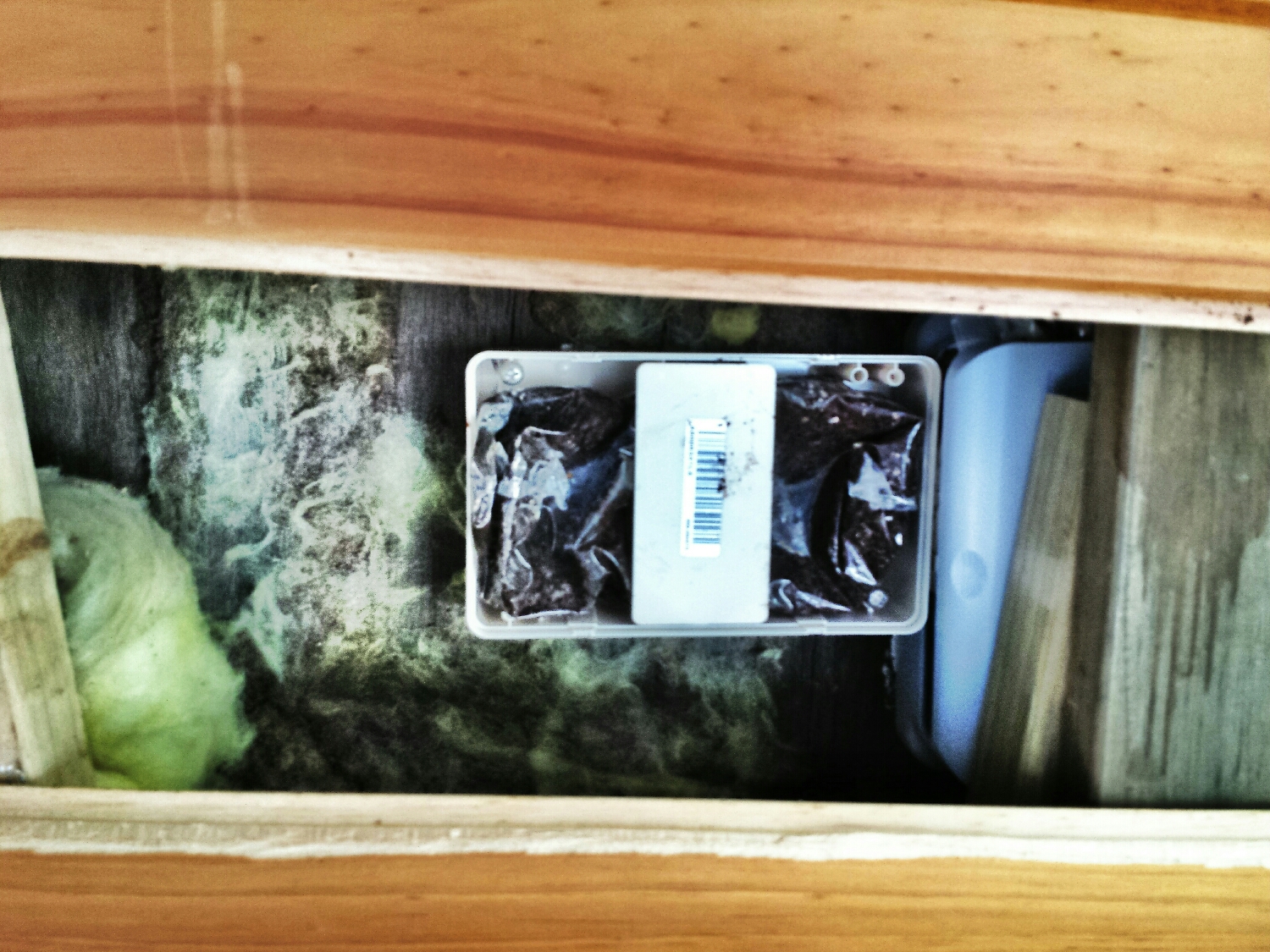
The Termites were subsequently baited, you can see here the cavity and the insulation on the side of the bait box.

The Termites were subsequently baited, you can see here the cavity and the insulation on the side of the bait box.

The colony was safely eradicated due to the ability for the Termatrac to accurately pinpoint the areas of activity!

Hidden dangers of previous treatments.

With 1 in 3 Australian houses being affected by termites, it's not uncommon for a house to have had a previous treatment, and while it's good that something has been done to deal with the termites, sometimes the residues of the treatment are far from safe.

Take Arsenic Trioxide for example.

This highly toxic substance has been used for many years to eradicate termite colonies, the main drawback however, is that this substance is left behind in the timber long after the termites have been eradicated.

If there was any doubt about how dangerous it is, look at the MSDS for the Arsenic Dust commonly used for termite eradication and then correlate the Schedule 7 Poison label with this list.

To add insult to injury, it's mandated that notification be provided when arsenic is used to control termites in a building (as with many other termite treatments) however, during our inspections we seldom find any reference to any termite treatment in the meter box or anywhere else in the house. It's usually when we're confronted by the actual dusting that we first realise  that arsenic dusting has taken place.

If you're worried that your home could have arsenic in the timber, make sure that you get a thorough inspection outlining if there has been any termite damage or treatments.

The bright red dust you see in this picture is arsenic trioxide dust. It was used in the past to eradicate termites from this timber and the dust is clearly visible.

The bright red dust you see in this picture is arsenic trioxide dust. It was used in the past to eradicate termites from this timber and the dust is clearly visible.

The Arsenic trioxide dust penetrates deep into galleries in the timber. Thus exposing anyone who works on the timber, (think renovation) exposed to arsenic trioxide dust. A Schedule 7 Dangerous poison.

The Arsenic trioxide dust penetrates deep into galleries in the timber. Thus exposing anyone who works on the timber, (think renovation) exposed to arsenic trioxide dust. A Schedule 7 Dangerous poison.