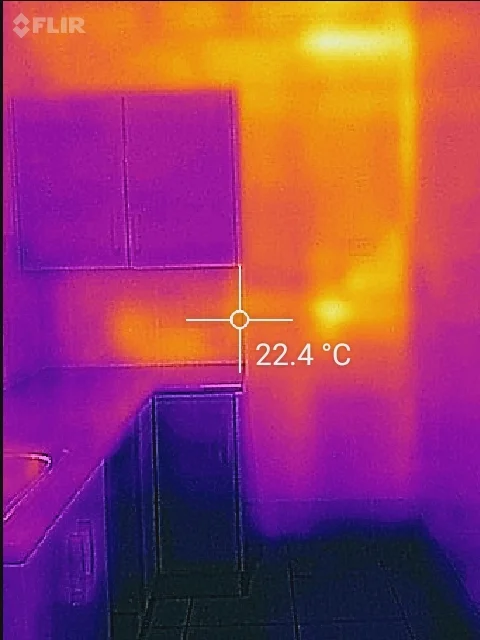
See a video of what Termites look like as they infest timbers in a subfloor.
Read MoreDDT - and other nasty chemicals!
Over use of chemicals has caused many problems. See some old examples of DDT advertising and use. The problem wasn't just the use of a dangerous chemical, but it was being over used and spread prolifically in every area of life.
Safe use of chemicals are paramount to us, if we need to use them at all.
Read MoreThe random things you find during an inspection.
We often find random issues with homes during a termites inspection, here are a few examples of non termite issues we were able to let homeowners know about.

This electrical plug was resting on a downlight globe and was burnt severely. We moved it off the light and informed the owner.

This electrical junction box had a water leak above it.

Plumbing draining into the subfloor. This is surprisingly common and can be a real issue, not only for termites but also can increase structural issues.
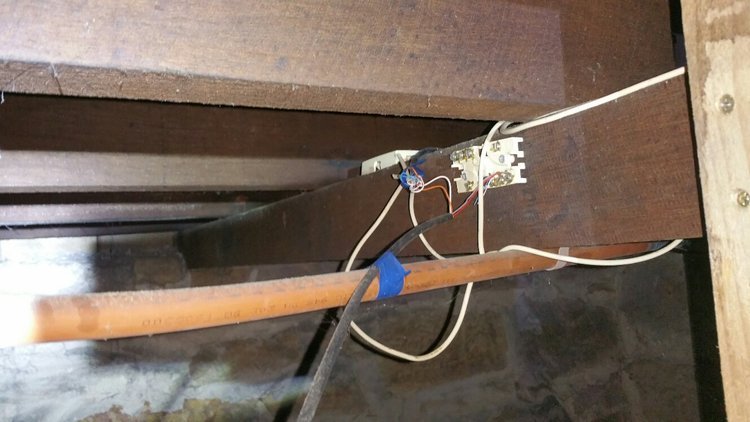
These communication wiring certainly needed some TLC!

This air conditioning drain was dripping into the roof void, the homeowner was glad we let them know!

It's surprising how often we find plumbing that just drains straight into the subfloor!
Signs of Termites in walls
How do you know if you have termites in your wall?
There are tell tale signs that are specific to termites.

Cracking in walls can be a sign that something sinister is happening behind the wall. The mud spots confirm that it's termites.

Termites will always seal any opening with their mud, here you can see tightly packed mud filling in the gaps.

Subtle changes in timber cover strips can be a dead giveaway. Here the vertical timber strip and the one to the left has been eaten out, the strip on the right remains intact.

Inside this built in wardrobe you can see evidence of termite workings. There is a tiny bit of mud right in the middle of the corner at the top and spots of mud/mould is visible on the Left Hand side. This is a clear indication of termite activity behind the walls.
RUOK Day.
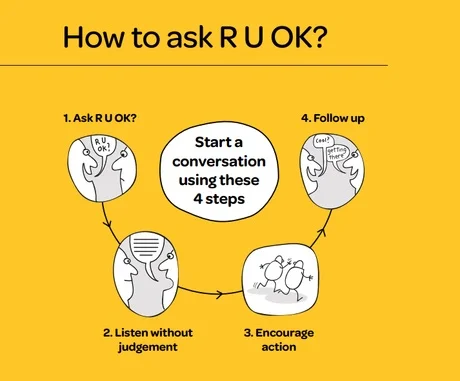
Today is RUOK day. Reach out to your friends, family, colleagues... Anyone! #ruok #bigfranky

Simple steps on how to ask if someone you know is ok.
Delignification - or chemical defibration.
Chemical delignification is a process that breaks down the lignin in timber. Lignin is an organic polymer that acts as a glue in timber (amongst other things), giving structural integrity to cell walls and thus holding the fibres together. It's the same material that gets attacked by fungal decay. The result is similar, the timber loses its structural integrity and slowly flakes apart.

Chemical delignification gives this roof batten its "hairy" appearance.
Delignification is often found in roof timber battens as depicted in these pictures, being caused by chemicals in the air. Often it is found near heavy industry, major roads or not far from the Sea.
If there is significant damage caused by delignification then it's best to get it checked for structural integrity by a builder, seeing that roof battens are often affected by this phenomenon, caution should be exercised when walking around on roofs.
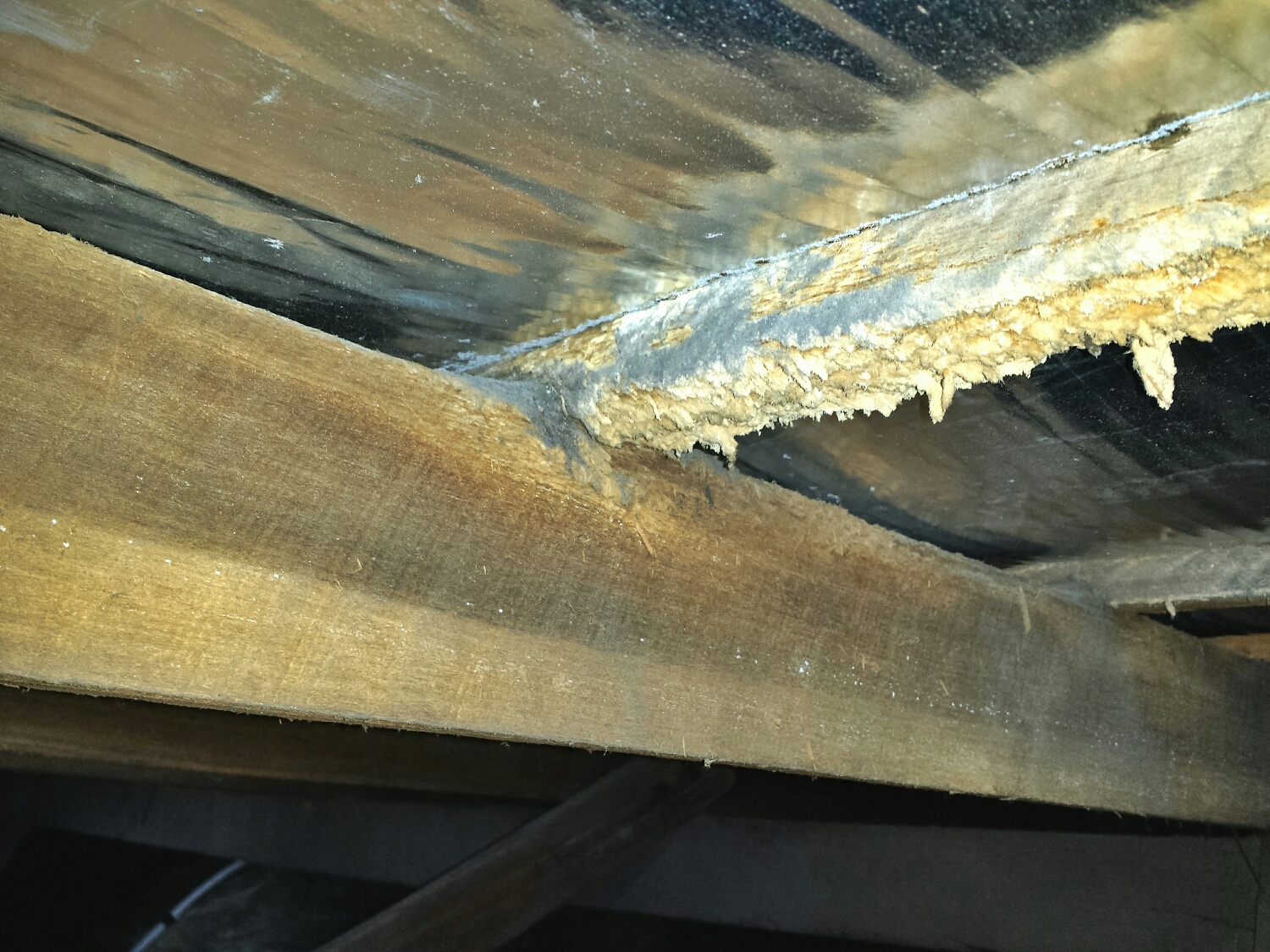
This chemical defibration was discovered in Newcastle, an area with historically a lot of heavy industry and is not too far from the ocean!
See a video showing the obvious effects of chemical defibration on roof battens.
Liquid termite treatment vs. Baiting
Here is a video on the differences of a liquid chemical treated zone versus a perimeter baiting system.
The video is produced by Dow Agrosciences who produce the Sentricon baiting system, so although it is promoting baiting it does provide a good overview of the functionality of both systems.
Chemical Termite treatments after heavy rain and flooding.
Following the East Coast Low, heavy rainfall has battered a large portion of the East Coast of Australia. Many homes were flooded and a large portion of land was inundated with water, both moving and standing. Does this flooding and saturation affect chemical termite treatments?
A technical note from BASF regarding Termidor treatments can be found here.

Termites build a house of bricks!
Termites usually live in wood. See a colony that goes against convention and builds a house in bricks!
Read More