Baiting in concrete

Termite baiting allows a home to be protected from Termite colonies by eliminating the colony before it gets to the home. 

Baits are installed around the perimeter to feed the termites a bait that eradicates the colony. But what if the home is surrounded by concrete? 

That's where we use in concrete bait stations. 

First - we make a nice round hole in the concrete..

BORING! Hmm.. Soft like butter!

BORING! Hmm.. Soft like butter!

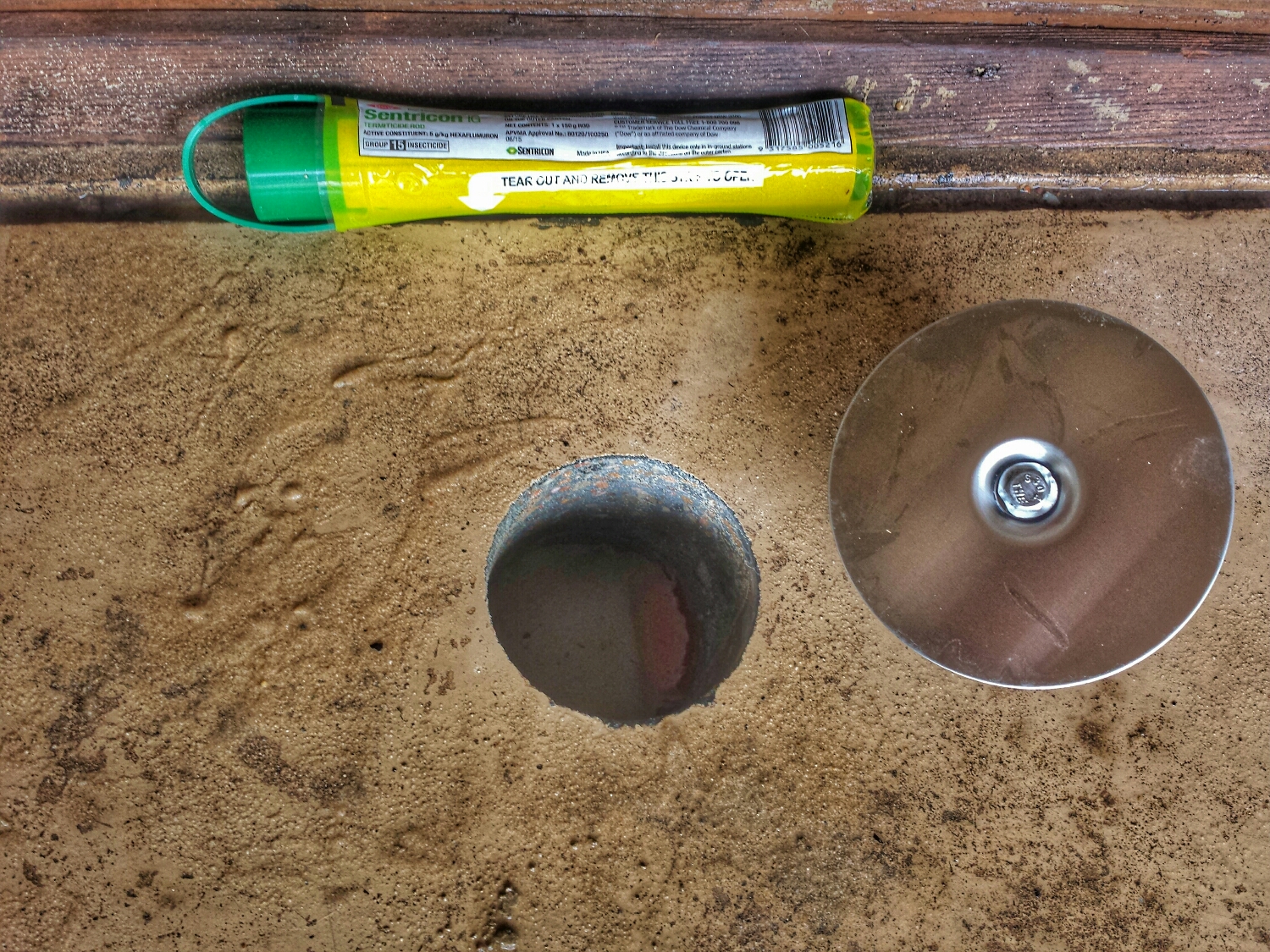
A Sentricon Always active bait rod, along with it's built in extraction plastic ring thingy and a stainless steel cap.

A Sentricon Always active bait rod, along with it's built in extraction plastic ring thingy and a stainless steel cap.

Next - We clean up our mess and install a Sentricon Always active termiticide rod in the hole.
upload.jpeg

And Voila! We put a beautiful stainless steel cap on top which seals with an expandable rubber grommit.

The Sentricon Always active rod will now protect the home from any termites foraging in the vicinity of the home. The termites will feed on the rod and take the termiticide back to the nest, this will gradually eliminate the colony so it's no longer a threat to the home!
An in concrete baiting system ready to go!

An in concrete baiting system ready to go!

The cap is installed and seals the rod in it's little hidey hole!

The cap is installed and seals the rod in it's little hidey hole!

"Inadequate" Ant Capping

Ant capping is barrier that prevents termites from being able to get into a building undetected, this is generally made of a strip of galvanised metal shielding. It's very purpose is not to stop termites completely, but to give them some sort of obstruction so that they have to build a mud shelter tube to go around. 

These can often be overlooked and forgotten about when renovations take place, repairs or changes are made to the existing building and sometimes can just rot away without anyone noticing.

The ant capping metal shield with it's inspection edge being completely covered by a cover strip.

The ant capping metal shield with it's inspection edge being completely covered by a cover strip.

This ant cap was not joined properly during construction, and to add to the potential problems, is clearly rusting away.

This ant cap was not joined properly during construction, and to add to the potential problems, is clearly rusting away.

An addition to this property has resulted in the ant capping being compromised, you can clearly see that the ant cap does not completely cover the new vertical cover strip, causing an easy passage for termites to get in undetected.

An addition to this property has resulted in the ant capping being compromised, you can clearly see that the ant cap does not completely cover the new vertical cover strip, causing an easy passage for termites to get in undetected.

Vertical Transitions such as this one, are a commonplace entry point for termites.

Vertical Transitions such as this one, are a commonplace entry point for termites.

This photo clearly demonstrates a vertical transition where the ant capping is not joined, for the ant capping to be effective both the lower and upper sections of ant capping need to be joined in the middle to form a continuous barrier. In this par…

This photo clearly demonstrates a vertical transition where the ant capping is not joined, for the ant capping to be effective both the lower and upper sections of ant capping need to be joined in the middle to form a continuous barrier. In this particular case, it was virtually impossible to visually inspect between the two levels as there was poor access. That's why it's important to get it right during the construction phase.

Mould. A sure sign of high moisture.

High moisture is a major conducive condition to termite attack, and nothing says "hey there's lots of moisture here" better than fungus.  Mould is often seen growing in areas of persistent moisture. So it's not surprising that where here is mould, there are termites nearby. This is because the prevailing conditions required for both mould and termites are very similar. So if you see mould in your place, it might be time to get a termite inspection. It's also a good idea to do all you can to reduce the moisture (and mould!) in your home for health reasons. 

Mould on the side of this book highlights the persistent high humidity in this room. Not only bad for your health but is also a sign of high moisture. Forget book worms, it's book mould! 

Mould on the side of this book highlights the persistent high humidity in this room. Not only bad for your health but is also a sign of high moisture. Forget book worms, it's book mould! 

A leaking bathroom provided all the moisture needed for this mould to grow nicely on a ceiling! 

A leaking bathroom provided all the moisture needed for this mould to grow nicely on a ceiling! 

High moisture , a warm environment and a cold aluminium window frame allows mould to grow as moisture condenses on the aluminium.

High moisture , a warm environment and a cold aluminium window frame allows mould to grow as moisture condenses on the aluminium.

How to identify termite mudding.

We often get calls when people find some dust, debris or any fine material that appears out of places it probably shouldn't. Good news is, it's not always termites, but it's bad news when it is. How can you identify what it is?

Termites build mud shelter tubes to keep them nice and cozy and moist, they can't be exposed as they will dehydrate and die. So, keeping this in mind, you need to remember that you're looking for nice moist, tightly packed mud. If the termite activity isn't new, the mud may be quite dry and cracked, but it's normally quite dense and difficult to break off. Termites are great engineers, and they will build solid mud tubes that protect them from the outside world.

If you see any debris or something that isn't where it should be, give it a rub with your finger, if it's hard and doesn't break away easily then it could likely be termite mud!

Here are some pictorial examples of what to look for: 

The Termite mudding is clearly visible on this property on the Central Coast, that is, after you remove the paint!

The Termite mudding is clearly visible on this property on the Central Coast, that is, after you remove the paint!

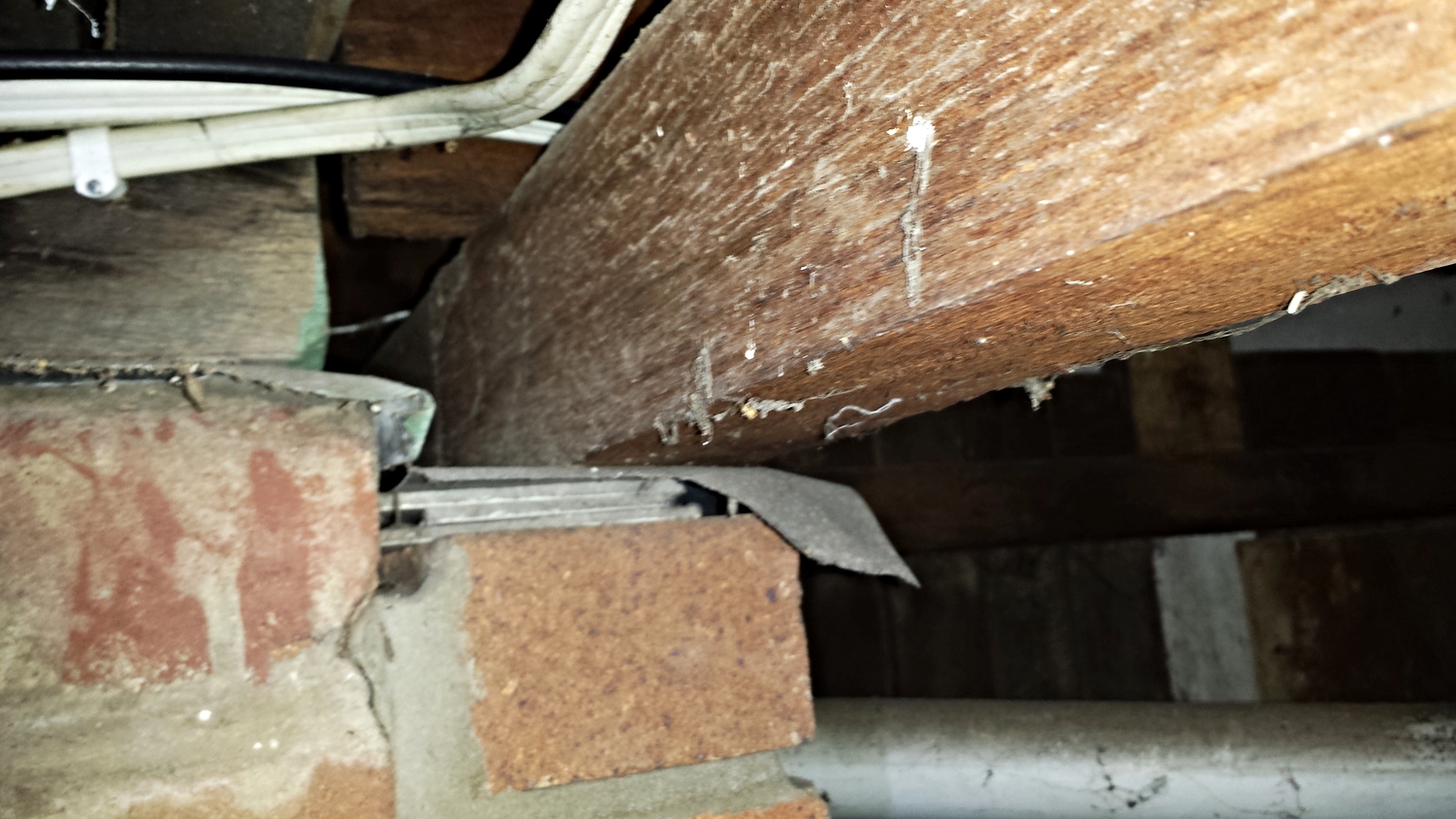
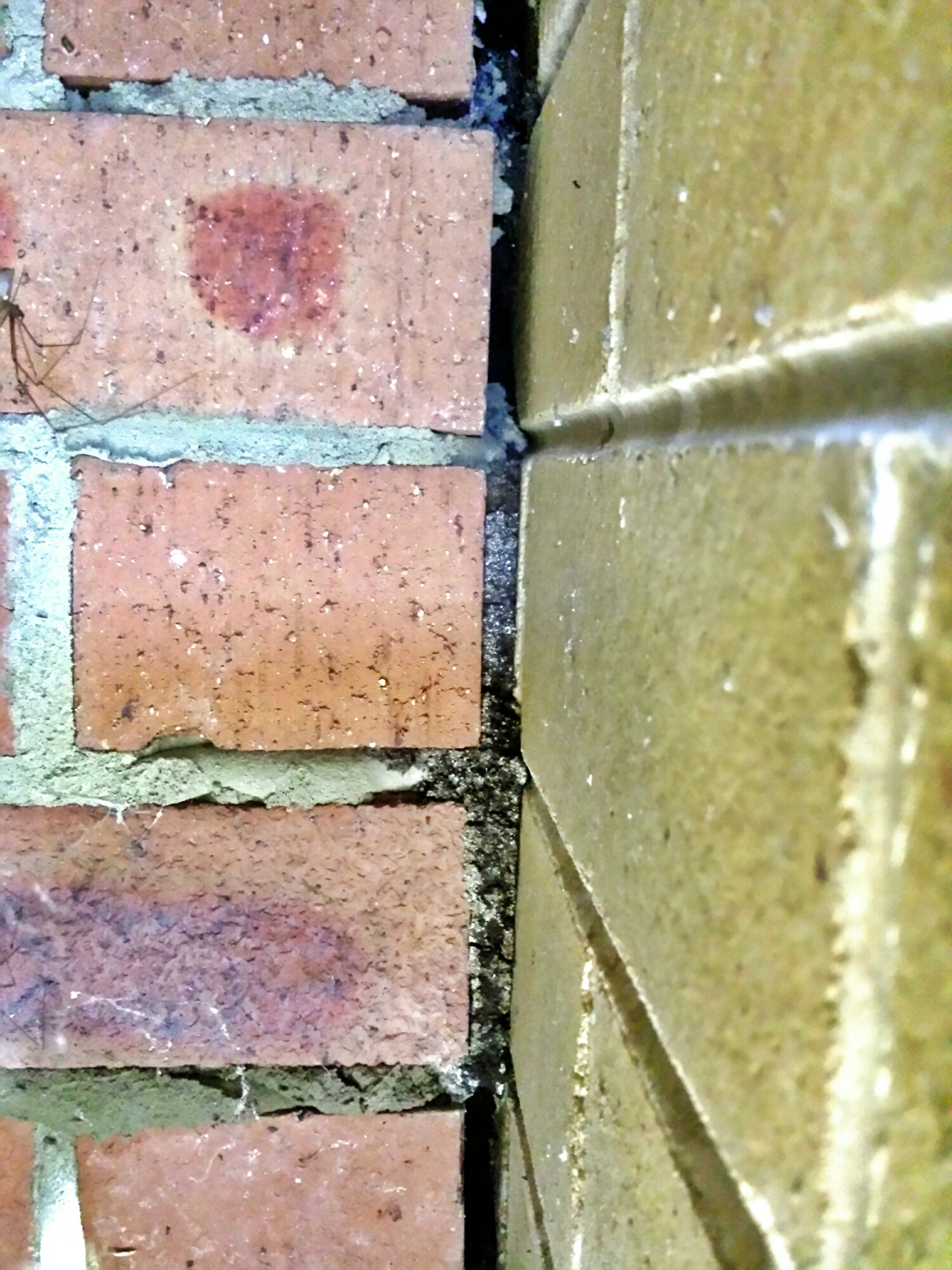
Termite mud packed in between an engaged pier in a subfloor and a dwarf wall. The mud is packed in tightly and does not fall out easily!

Termite mud packed in between an engaged pier in a subfloor and a dwarf wall. The mud is packed in tightly and does not fall out easily!

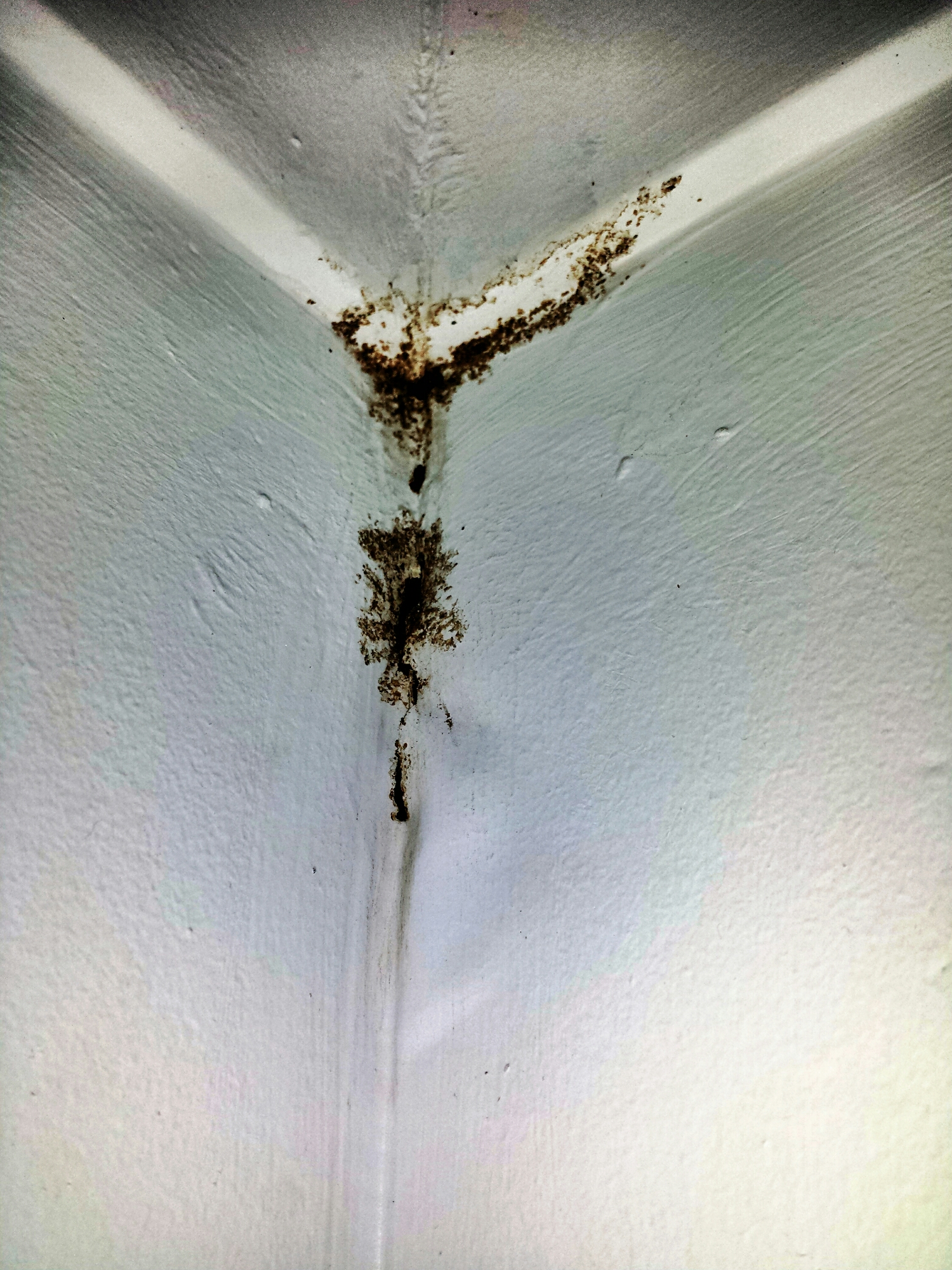
This termite activity is quite obvious! However, subtle signs are also present. Notice the bubbling of the paint on the right hand side just below the mudding. This is a sign of significant activity jay below the surface, this is something we look f…

This termite activity is quite obvious! However, subtle signs are also present. Notice the bubbling of the paint on the right hand side just below the mudding. This is a sign of significant activity jay below the surface, this is something we look for during inspections as well. This was on a property in Mangrove Mountain.

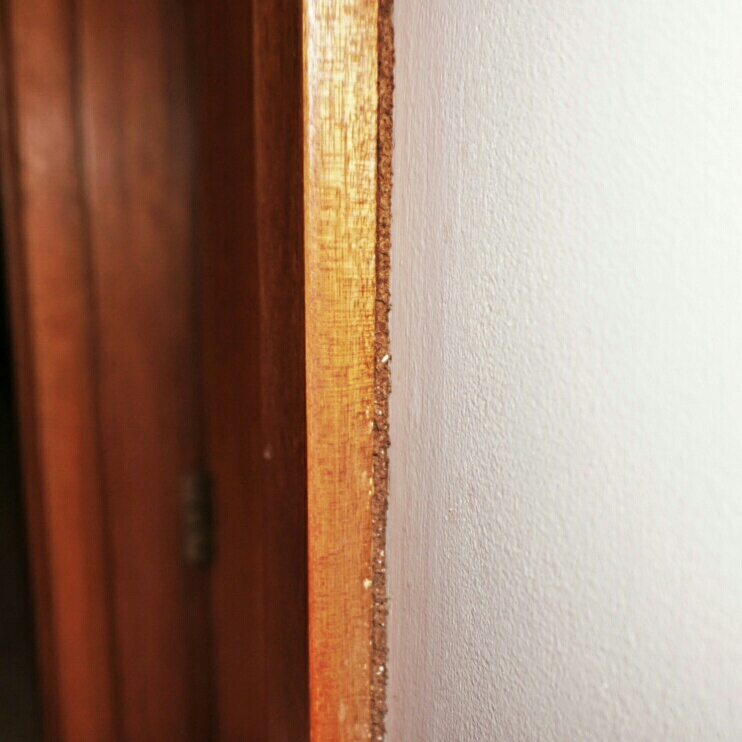
Termite mud packed in behind this architrave is a dead giveaway. Although it may seem really obvious, sometimes the orientation of the door makes it hard to look at the doorway side on.

Termite mud packed in behind this architrave is a dead giveaway. Although it may seem really obvious, sometimes the orientation of the door makes it hard to look at the doorway side on.

Here is a deceptive example:

This appeared like evidence of termites at a distance initially, (it was  up on the top of a garage). Closer inspection revealed that it was just debris made up of dust, fluff and spiders webs. 

This appeared like evidence of termites at a distance initially, (it was  up on the top of a garage). Closer inspection revealed that it was just debris made up of dust, fluff and spiders webs.