Drilling & Injecting

Drilling concrete slabs and injecting chemical is one of the ways to protect a property from termites, and then there are obviously variations of those treatment methods depending on the type of construction and requirements of the treatment. However, there have to be a few specifications met to ensure it is done correctly. Here we will highlight a few for you to consider.

Hole Spacings! When holes are drilled to inject termiticide under a concrete slab to treat the footing of a wall, the holes cannot be more than 150mm from the wall. This home had holes exceeding 300mm. Needless to say, the original treatment failed …

Hole Spacings! When holes are drilled to inject termiticide under a concrete slab to treat the footing of a wall, the holes cannot be more than 150mm from the wall. This home had holes exceeding 300mm. Needless to say, the original treatment failed and the home was re infested. 

Injecting Termidor under a slab.

Injecting Termidor under a slab.

Holes are often drilled around a perimeter to ensure a complete chemical barrier to prevent termites getting in.

Hole spacings on this property exceeded 300mm! Once again, they were beyond specification, holes should be between 150-300mm apart. The greater tolerance is reserved for porous soil types and rarely used in our practice. Ironically this was done on …

Hole spacings on this property exceeded 300mm! Once again, they were beyond specification, holes should be between 150-300mm apart. The greater tolerance is reserved for porous soil types and rarely used in our practice. Ironically this was done on an internal wall that was a 
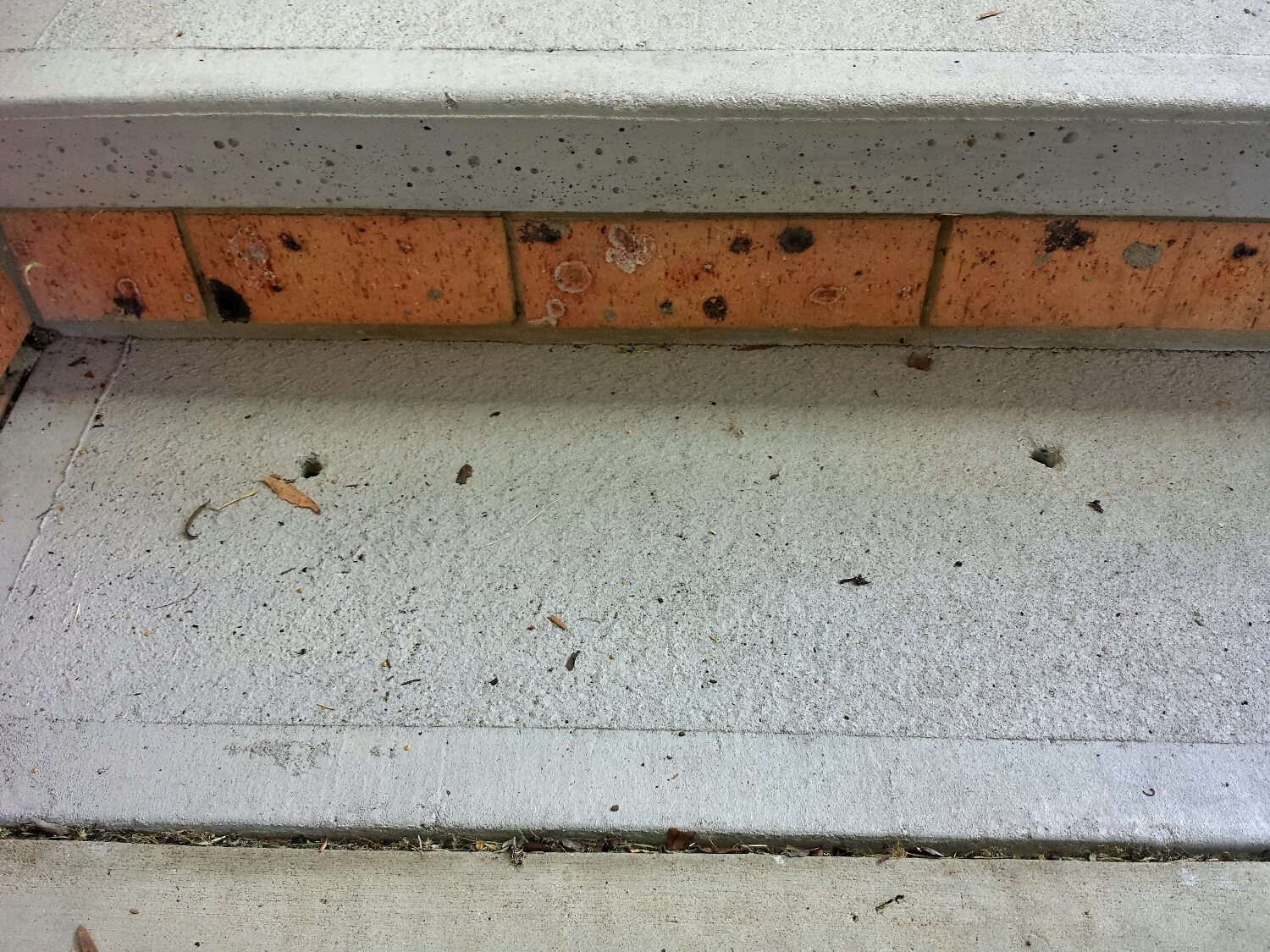
Once again, hole spacing was beyond specification. More examples below.... 

Once again, hole spacing was beyond specification. More examples below.... 

image.jpg
image.jpg
upload.jpeg

How to identify termite mudding.

We often get calls when people find some dust, debris or any fine material that appears out of places it probably shouldn't. Good news is, it's not always termites, but it's bad news when it is. How can you identify what it is?

Termites build mud shelter tubes to keep them nice and cozy and moist, they can't be exposed as they will dehydrate and die. So, keeping this in mind, you need to remember that you're looking for nice moist, tightly packed mud. If the termite activity isn't new, the mud may be quite dry and cracked, but it's normally quite dense and difficult to break off. Termites are great engineers, and they will build solid mud tubes that protect them from the outside world.

If you see any debris or something that isn't where it should be, give it a rub with your finger, if it's hard and doesn't break away easily then it could likely be termite mud!

Here are some pictorial examples of what to look for: 

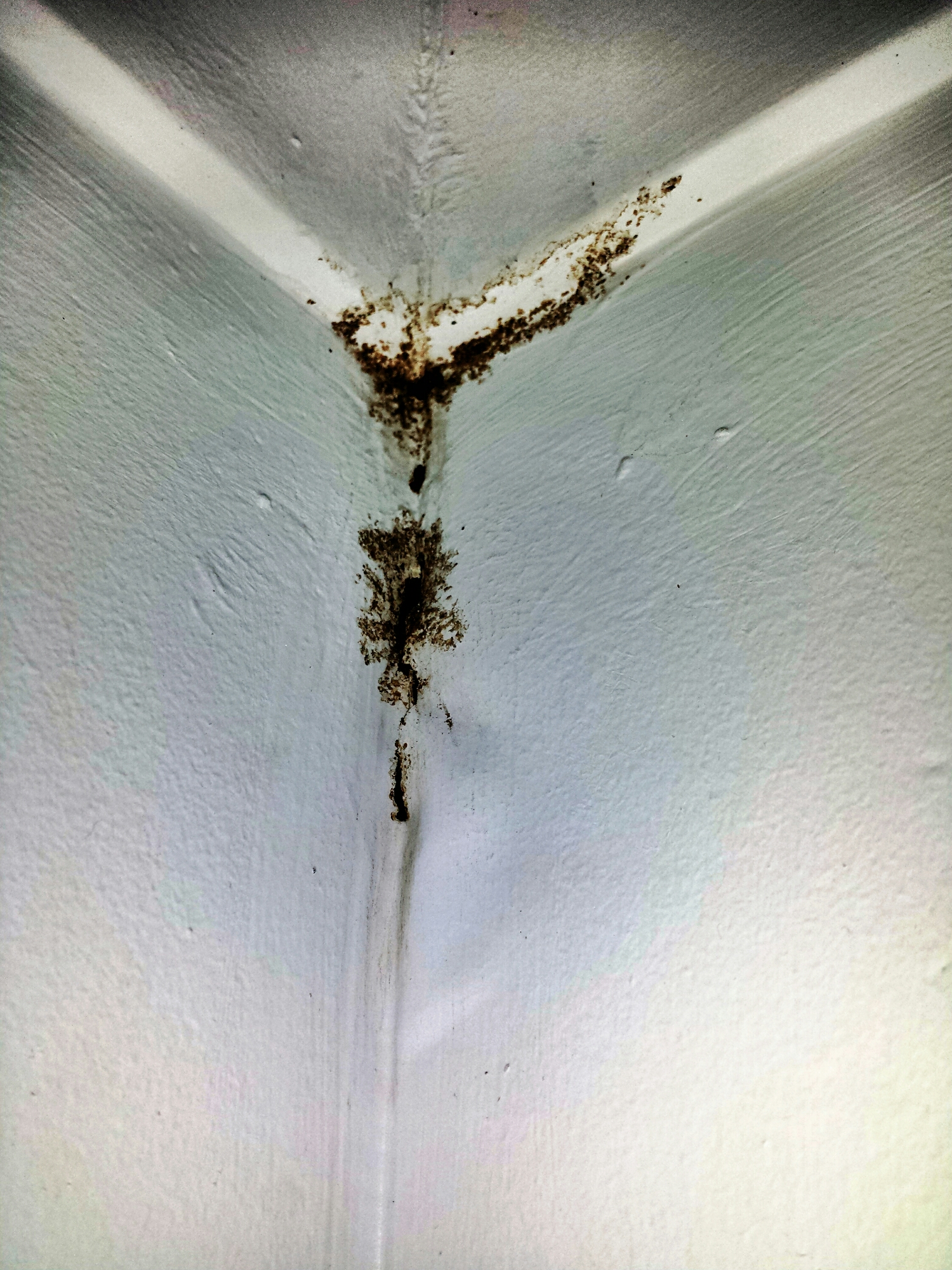
The Termite mudding is clearly visible on this property on the Central Coast, that is, after you remove the paint!

The Termite mudding is clearly visible on this property on the Central Coast, that is, after you remove the paint!

Termite mud packed in between an engaged pier in a subfloor and a dwarf wall. The mud is packed in tightly and does not fall out easily!

Termite mud packed in between an engaged pier in a subfloor and a dwarf wall. The mud is packed in tightly and does not fall out easily!

This termite activity is quite obvious! However, subtle signs are also present. Notice the bubbling of the paint on the right hand side just below the mudding. This is a sign of significant activity jay below the surface, this is something we look f…

This termite activity is quite obvious! However, subtle signs are also present. Notice the bubbling of the paint on the right hand side just below the mudding. This is a sign of significant activity jay below the surface, this is something we look for during inspections as well. This was on a property in Mangrove Mountain.

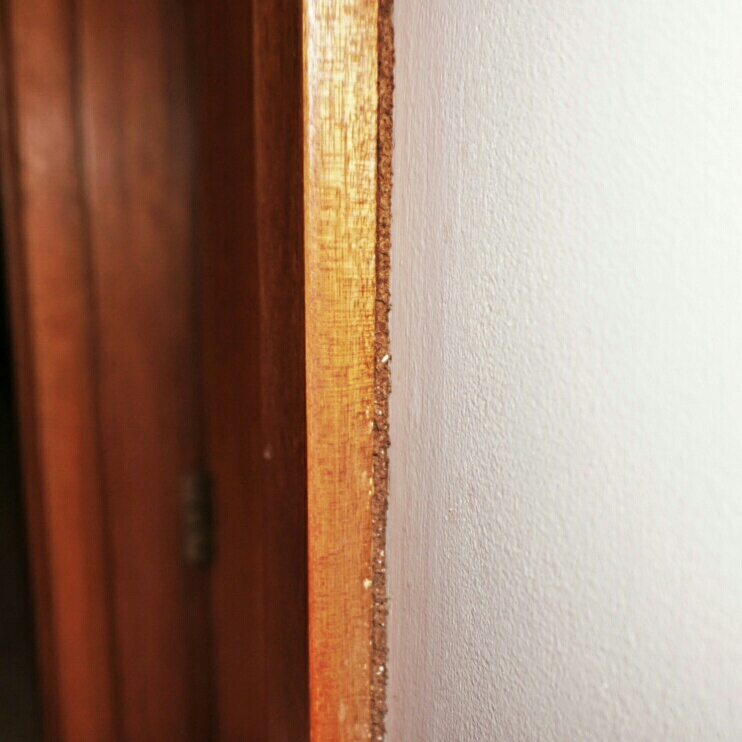
Termite mud packed in behind this architrave is a dead giveaway. Although it may seem really obvious, sometimes the orientation of the door makes it hard to look at the doorway side on.

Termite mud packed in behind this architrave is a dead giveaway. Although it may seem really obvious, sometimes the orientation of the door makes it hard to look at the doorway side on.

Here is a deceptive example:

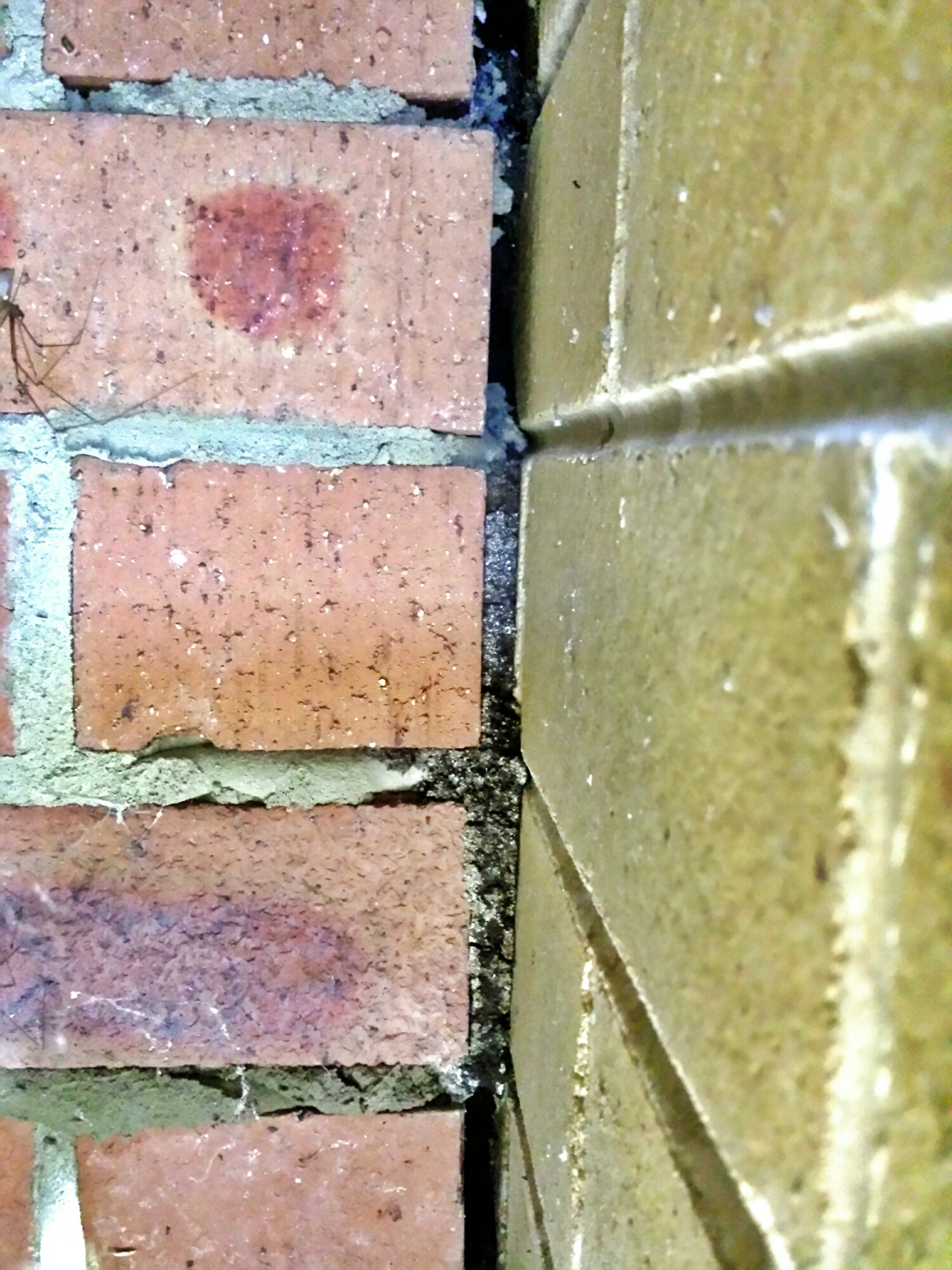
This appeared like evidence of termites at a distance initially, (it was  up on the top of a garage). Closer inspection revealed that it was just debris made up of dust, fluff and spiders webs. 

This appeared like evidence of termites at a distance initially, (it was  up on the top of a garage). Closer inspection revealed that it was just debris made up of dust, fluff and spiders webs. 

Arsenic Trioxide Dusting - A Dangerous way to kill termites!

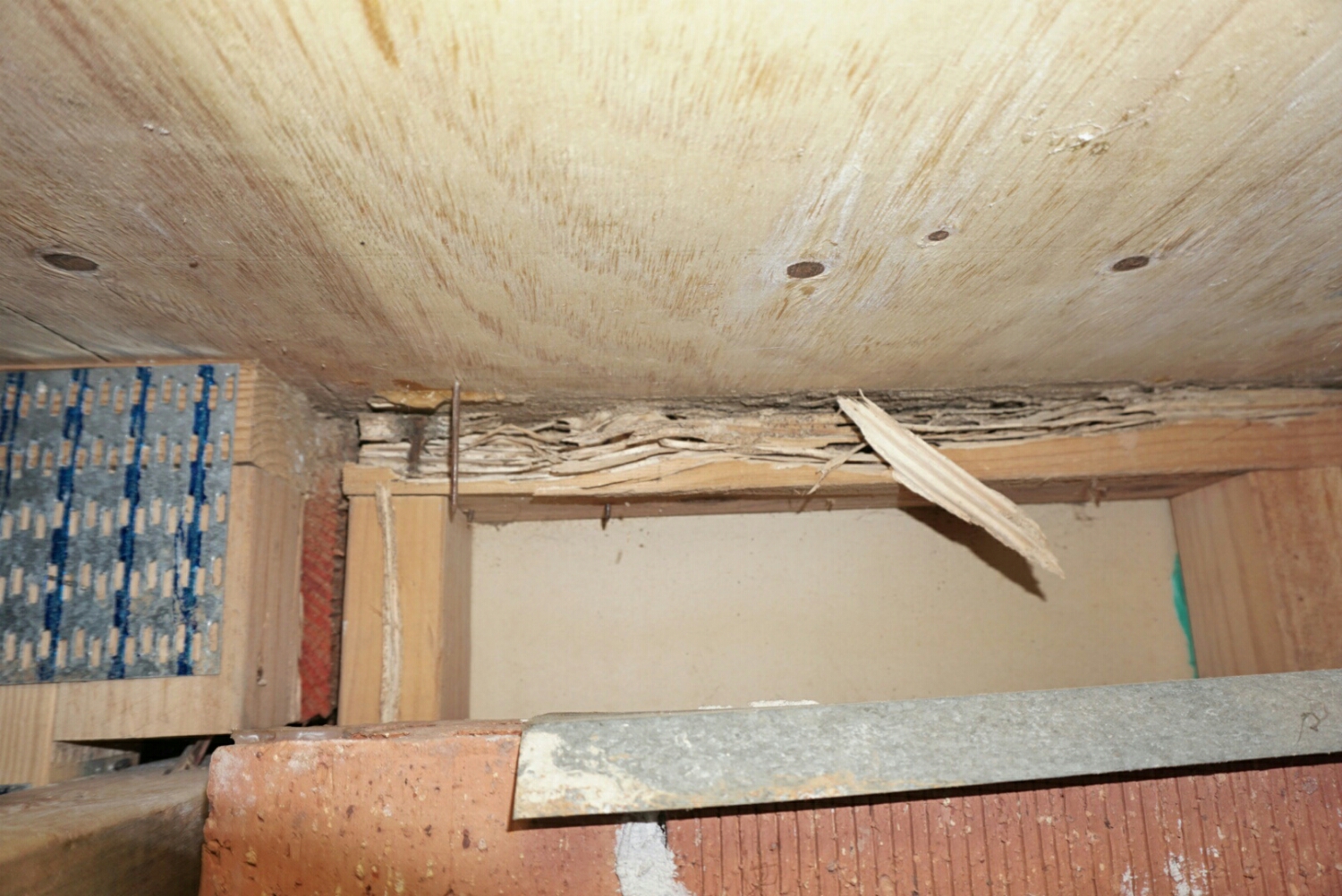
This is some termite damaged timber that has been treated with Arsenic trioxide dust. You can see the remnants of the arsenic in the galleries in the timber, its bright red! Arsenic trioxide dust was introduced many years ago as a means of treating live termites in their workings in an attempt to eradicate the colony. Whilst it has been an effective means, arsenic trioxide is extremely toxic and there are much better methods nowadays that don't introduce toxic chemicals into your property. Termidor dust and baiting are just some methods that can be used. Unfortunately, arsenic trioxide is still readily available and still being used by pest controllers in Australia.

This is some termite damaged timber that has been treated with Arsenic trioxide dust. You can see the remnants of the arsenic in the galleries in the timber, its bright red! Arsenic trioxide dust was introduced many years ago as a means of treating live termites in their workings in an attempt to eradicate the colony.

How ant capping keeps termites out of a building.

Ant Capping is designed to prevent undetected termite entry.

As with all termite management systems, they are primarily designed to force termites out in the open so they can be easily detected during an inspection, or to deter their entry. For these systems to work effectively, 2 conditions must be met:

  1. The physical barrier system needs to be complete, covering all entry points and forming a continuous barrier around the perimeter of the building.
  2. The property needs to be regularly inspected to ensure that the system is working correctly and there are no termites trying to infest the property.

Check the following photos that identify common problems with ant capping.

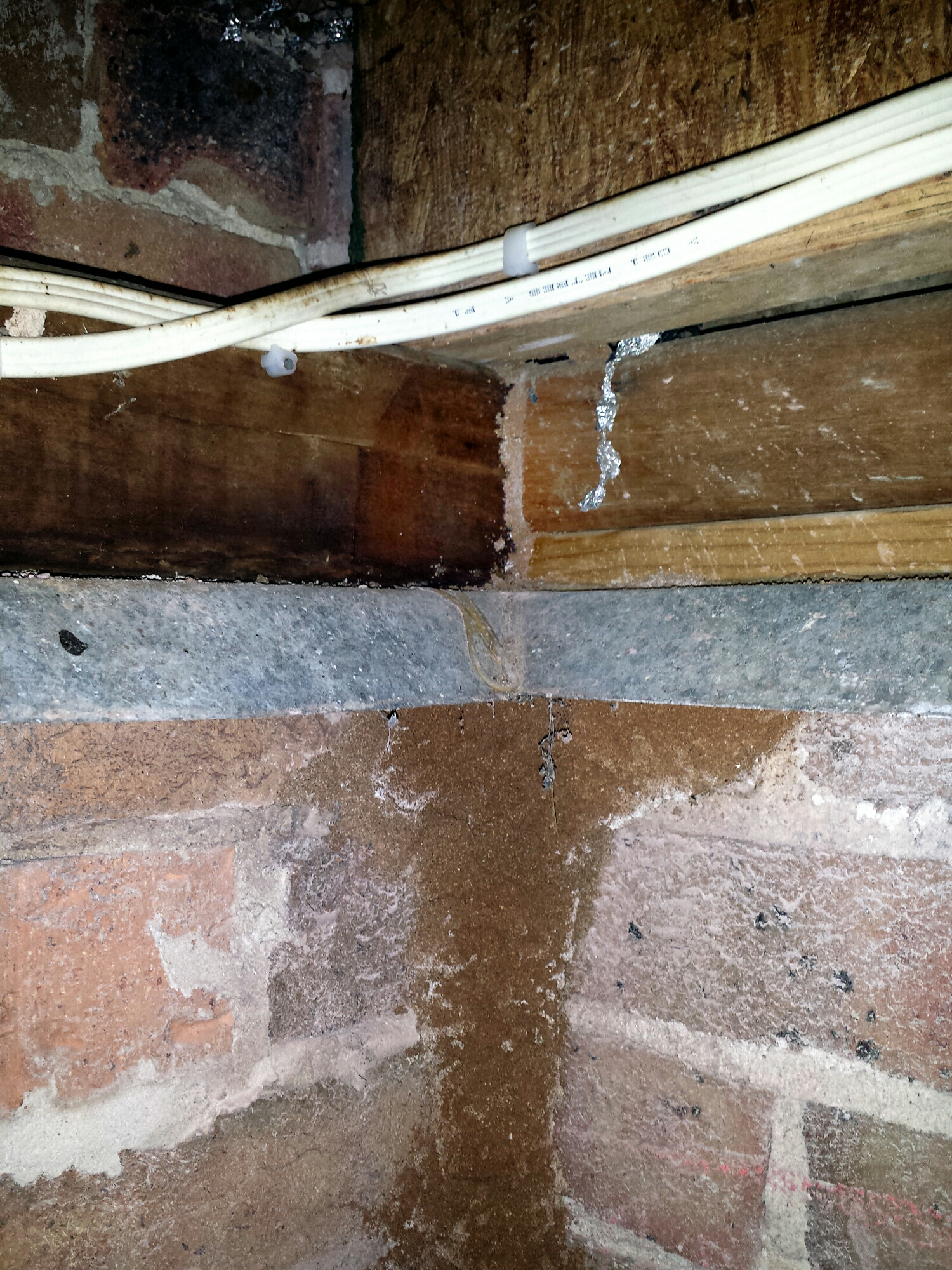
The termites have built a large mud shelter tube under this ant cap, but then you see them mysteriously appear in the timber above the ant cap! If this capping was a continuous barrier for the full width of the brick, they would have to build their …

The termites have built a large mud shelter tube under this ant cap, but then you see them mysteriously appear in the timber above the ant cap! If this capping was a continuous barrier for the full width of the brick, they would have to build their mud shelter tube OVER the ant cap.

This explains why termites get in without being seen -  the ant capping does not cover the full width of the brick! This does not meet the Australian standard for termite protection.

This explains why termites get in without being seen -  the ant capping does not cover the full width of the brick! This does not meet the Australian standard for termite protection.

This ant capping was only partially existent, with an inspection edge that goes off into oblivion. It was not able to prevent the termites getting in a chewing out this frame.  

This ant capping was only partially existent, with an inspection edge that goes off into oblivion. It was not able to prevent the termites getting in a chewing out this frame.  

The ant cap on this wall ends up butting up to a timber frame, there's no inspection edge and no surprises the termites got in. 

The ant cap on this wall ends up butting up to a timber frame, there's no inspection edge and no surprises the termites got in. 

This is the most common failing of ant capping, failing to form a continuous barrier when there is a vertical transition, nothing is preventing the termites coming up between the two piers and into the lower bearer, and it would not be visible until…

This is the most common failing of ant capping, failing to form a continuous barrier when there is a vertical transition, nothing is preventing the termites coming up between the two piers and into the lower bearer, and it would not be visible until it's too late.  

Hidden dangers of previous treatments.

With 1 in 3 Australian houses being affected by termites, it's not uncommon for a house to have had a previous treatment, and while it's good that something has been done to deal with the termites, sometimes the residues of the treatment are far from safe.

Take Arsenic Trioxide for example.

This highly toxic substance has been used for many years to eradicate termite colonies, the main drawback however, is that this substance is left behind in the timber long after the termites have been eradicated.

If there was any doubt about how dangerous it is, look at the MSDS for the Arsenic Dust commonly used for termite eradication and then correlate the Schedule 7 Poison label with this list.

To add insult to injury, it's mandated that notification be provided when arsenic is used to control termites in a building (as with many other termite treatments) however, during our inspections we seldom find any reference to any termite treatment in the meter box or anywhere else in the house. It's usually when we're confronted by the actual dusting that we first realise  that arsenic dusting has taken place.

If you're worried that your home could have arsenic in the timber, make sure that you get a thorough inspection outlining if there has been any termite damage or treatments.

The bright red dust you see in this picture is arsenic trioxide dust. It was used in the past to eradicate termites from this timber and the dust is clearly visible.

The bright red dust you see in this picture is arsenic trioxide dust. It was used in the past to eradicate termites from this timber and the dust is clearly visible.

The Arsenic trioxide dust penetrates deep into galleries in the timber. Thus exposing anyone who works on the timber, (think renovation) exposed to arsenic trioxide dust. A Schedule 7 Dangerous poison.

The Arsenic trioxide dust penetrates deep into galleries in the timber. Thus exposing anyone who works on the timber, (think renovation) exposed to arsenic trioxide dust. A Schedule 7 Dangerous poison.