How damaging is wood rot to your home?

When you think about structural threats to your home, the first name that usually comes to mind is termites. We know the "white ants" can hollow out a beam while leaving the surface looking untouched.

However, there is another silent predator lurking in the damp, dark corners of many properties: Wood Rot.

While termites are often more famous, wood rot which is caused by fungal decay can be just as devastating to the structural integrity of your home. Here's how fungal decay works, why it’s so dangerous, and how it often acts as a "welcome mat" for termite infestations.

What Exactly is Wood Rot?

Despite the name, "wood rot" isn't caused by insects. It is actually a biological process caused by fungi.

Certain types of fungi thrive in the warm, humid environments common in many parts of Australia, the Central Coast being a prime example. These fungi require moisture to survive, and once they find damp timber, they begin to feed on the very components that make wood strong: cellulose and lignin.

As the fungi consume these organic compounds, the cellular structure of the timber literally breaks down. What was once a solid, load-bearing beam becomes soft, spongy, or brittle.

The Structural Impact: Why It’s a Serious Threat

The danger of wood rot lies in its ability to compromise the structural integrity of a building. Because rot is a biological decay process, it doesn't just scratch the surface, it eats the wood from the inside out.

1. Loss of Load-Bearing Capacity

The most critical danger is when rot affects "structural timber"—the beams, joists, and studs that hold up your roof and floors. As the fungi digest the lignin (the "glue" that holds wood fibers together), the timber loses its ability to support weight. This can lead to sagging floors, sticking doors, and in extreme cases, structural failure.

2. Brittle and Crumbling Materials

Some types of rot, known as "brown rot," cause the wood to shrink and crack into small, cube-like chunks. This makes the timber incredibly brittle. A beam that looks intact might crumble under the slightest pressure, making repairs much more complex and expensive.

3. The Domino Effect

Wood rot rarely stays in one place. Because fungi spread via microscopic spores carried by moisture, once a single area of your home becomes damp, the rot can spread through connected timbers, leading to widespread damage across your subfloor, window frames, or decking.

The "Deadly Duo": Wood Rot and Termites

For homeowners, the most important thing to understand is the relationship between rot and termites. They are often partners in crime.

Termites are highly attracted to moisture. When wood rot begins, it is a sign that the timber is damp and decaying. This creates the perfect, high-nutrient environment for termites to move in.

In many cases, a homeowner might notice a soft spot in a door frame (rot) and assume it’s just a plumbing issue, only to discover that termites have used that weakened, damp wood as an entry point to the rest of the house. If you have rot, you are at a significantly higher risk of a termite infestation. This is why wood rot is looked for and reported on when conducting a termite inspection.

Signs You Should Look Out For

How can you tell if fungal decay is taking hold? Keep an eye out for these red flags:

  1. Visible Discolouration: Dark, black, or brown patches on timber surfaces.

  2. Soft or Spongy Texture: If you press on a wooden surface and it feels "squishy" or leaves an indentation.

  3. Musty Odours: A persistent, earthy, or damp smell in certain areas of the house.

  4. Cracking or Crumbing: Wood that appears to be flaking off or breaking into small cubes.

  5. Presence of Fungi: Seeing mushrooms or "fruiting bodies" growing near your footings, decks, or window sills.

Prevention is Better Than Repair

The best way to combat wood rot is to manage moisture. Ensure your gutters are clean, your garden beds are sloped away from the house, and any leaks in plumbing are repaired immediately.

However, because rot and termites often go hand-in-hand, a routine professional inspection is vital.

Are you concerned about the condition of your timber?

Don't wait for the damage to become visible to the naked eye. Contact us today. Our specialist termite and structural inspections can help identify the early signs of decay and protect your home from the silent destruction of both rot and termites.
upload.jpg

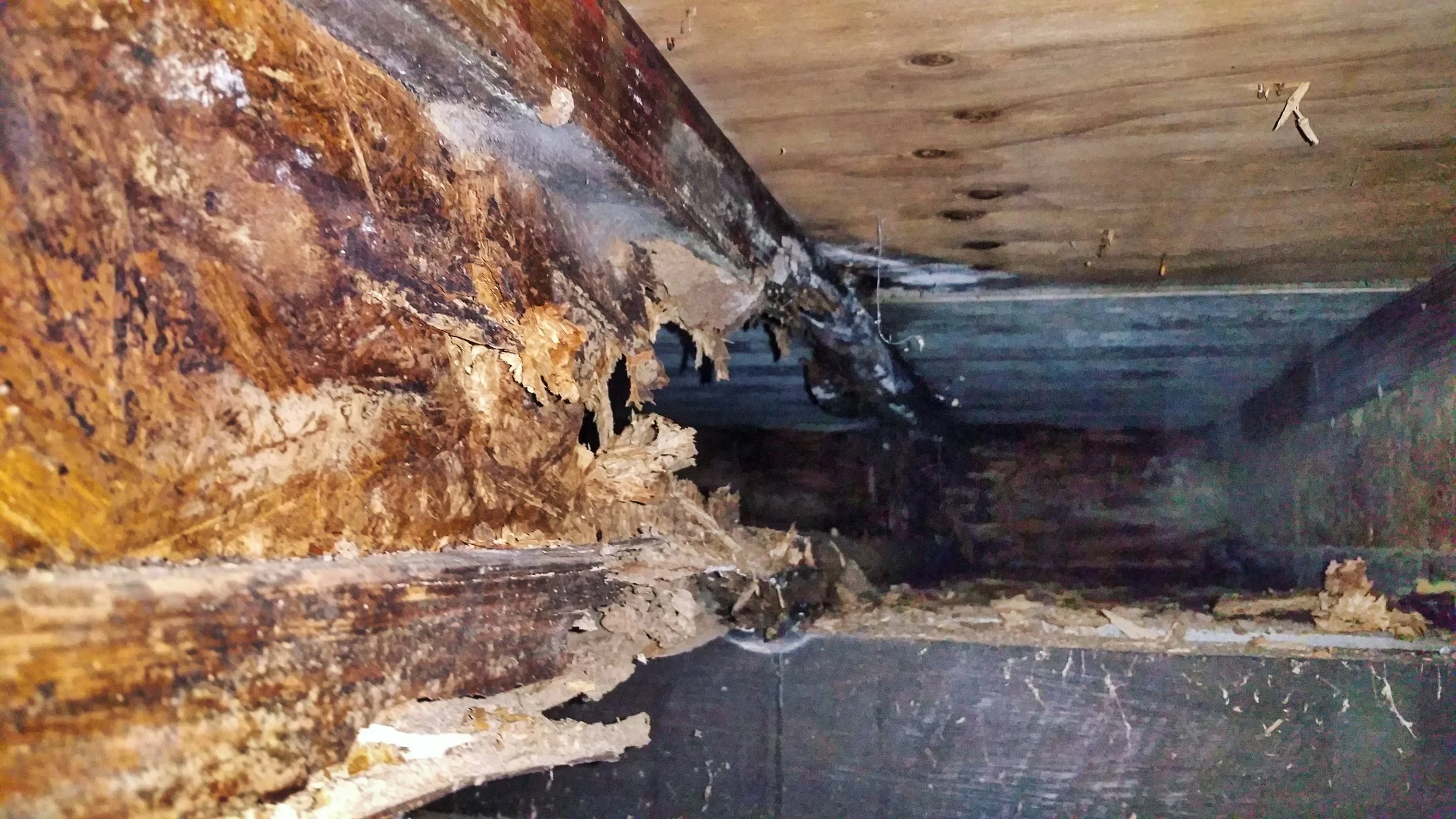
This floor joist has been significantly damaged by fungal decay and is failing.

How ant capping keeps termites out of a building.

Ant Capping is designed to prevent undetected termite entry.

As with all termite management systems, they are primarily designed to force termites out in the open so they can be easily detected during an inspection, or to deter their entry. For these systems to work effectively, 2 conditions must be met:

  1. The physical barrier system needs to be complete, covering all entry points and forming a continuous barrier around the perimeter of the building.
  2. The property needs to be regularly inspected to ensure that the system is working correctly and there are no termites trying to infest the property.

Check the following photos that identify common problems with ant capping.

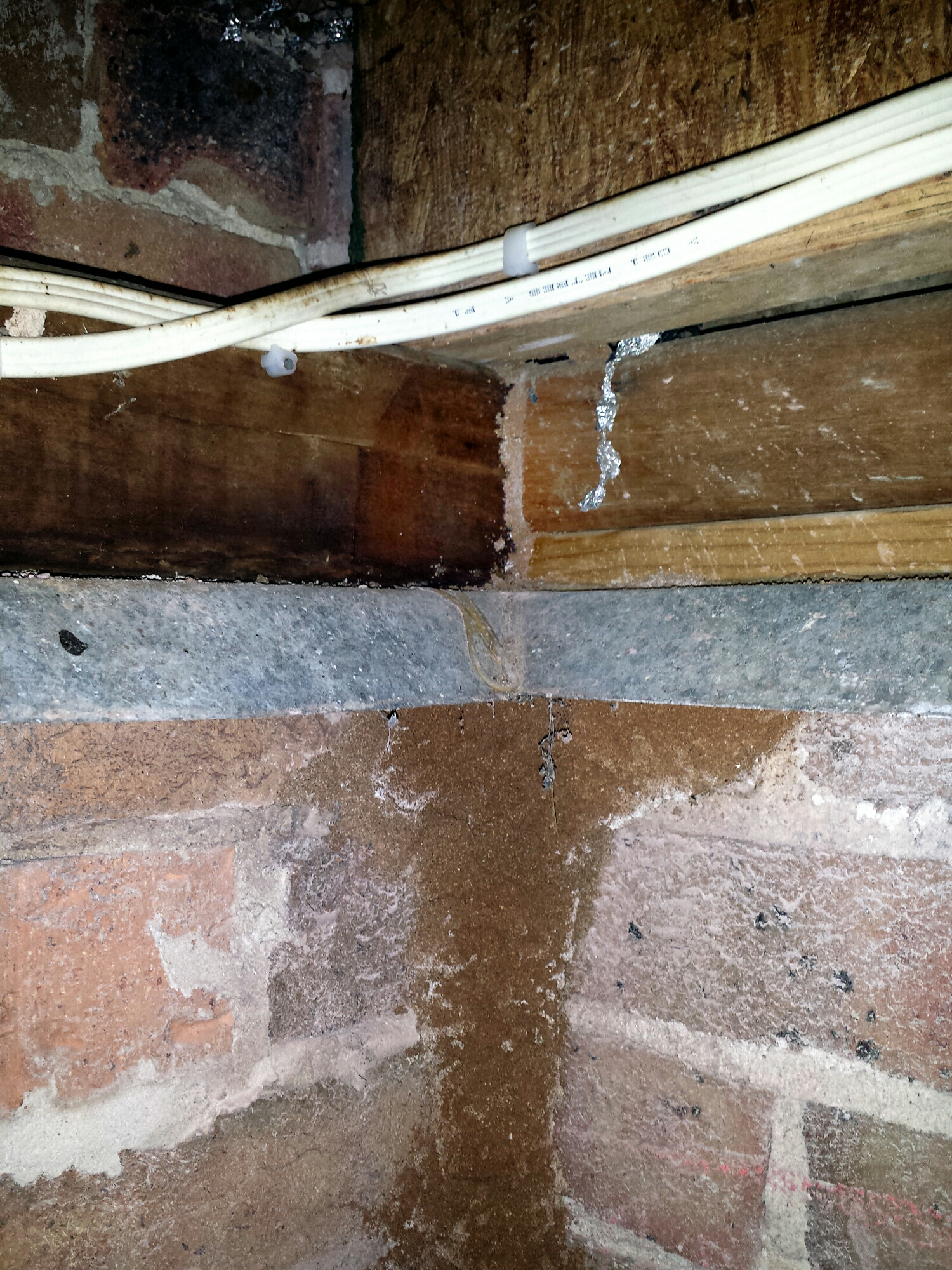
The termites have built a large mud shelter tube under this ant cap, but then you see them mysteriously appear in the timber above the ant cap! If this capping was a continuous barrier for the full width of the brick, they would have to build their …

The termites have built a large mud shelter tube under this ant cap, but then you see them mysteriously appear in the timber above the ant cap! If this capping was a continuous barrier for the full width of the brick, they would have to build their mud shelter tube OVER the ant cap.

This explains why termites get in without being seen -  the ant capping does not cover the full width of the brick! This does not meet the Australian standard for termite protection.

This explains why termites get in without being seen -  the ant capping does not cover the full width of the brick! This does not meet the Australian standard for termite protection.

This ant capping was only partially existent, with an inspection edge that goes off into oblivion. It was not able to prevent the termites getting in a chewing out this frame.  

This ant capping was only partially existent, with an inspection edge that goes off into oblivion. It was not able to prevent the termites getting in a chewing out this frame.  

The ant cap on this wall ends up butting up to a timber frame, there's no inspection edge and no surprises the termites got in. 

The ant cap on this wall ends up butting up to a timber frame, there's no inspection edge and no surprises the termites got in. 

This is the most common failing of ant capping, failing to form a continuous barrier when there is a vertical transition, nothing is preventing the termites coming up between the two piers and into the lower bearer, and it would not be visible until…

This is the most common failing of ant capping, failing to form a continuous barrier when there is a vertical transition, nothing is preventing the termites coming up between the two piers and into the lower bearer, and it would not be visible until it's too late.  

Hidden dangers of previous treatments.

With 1 in 3 Australian houses being affected by termites, it's not uncommon for a house to have had a previous treatment, and while it's good that something has been done to deal with the termites, sometimes the residues of the treatment are far from safe.

Take Arsenic Trioxide for example.

This highly toxic substance has been used for many years to eradicate termite colonies, the main drawback however, is that this substance is left behind in the timber long after the termites have been eradicated.

If there was any doubt about how dangerous it is, look at the MSDS for the Arsenic Dust commonly used for termite eradication and then correlate the Schedule 7 Poison label with this list.

To add insult to injury, it's mandated that notification be provided when arsenic is used to control termites in a building (as with many other termite treatments) however, during our inspections we seldom find any reference to any termite treatment in the meter box or anywhere else in the house. It's usually when we're confronted by the actual dusting that we first realise  that arsenic dusting has taken place.

If you're worried that your home could have arsenic in the timber, make sure that you get a thorough inspection outlining if there has been any termite damage or treatments.

The bright red dust you see in this picture is arsenic trioxide dust. It was used in the past to eradicate termites from this timber and the dust is clearly visible.

The bright red dust you see in this picture is arsenic trioxide dust. It was used in the past to eradicate termites from this timber and the dust is clearly visible.

The Arsenic trioxide dust penetrates deep into galleries in the timber. Thus exposing anyone who works on the timber, (think renovation) exposed to arsenic trioxide dust. A Schedule 7 Dangerous poison.

The Arsenic trioxide dust penetrates deep into galleries in the timber. Thus exposing anyone who works on the timber, (think renovation) exposed to arsenic trioxide dust. A Schedule 7 Dangerous poison.

Hot Water units - a constant source of moisture.

Termites love moisture, no wait, they NEED moisture to survive, so it's not surprising that a big part of a good inspection requires checking for sources of moisture. A storage hot water unit has a relief valve that is often dripping water. This persistent source of moisture is ideal for termites, as they need a reliable source of water to survive. Ensure that this water is piped away rather than dripping against the footing of your house, openly inviting termites.

The Overflow on this hot water unit (Copper pipe going into the soil) drains near the base of the house, coupled with all the vegetation nearby, this is a great invitation for termites.

The Overflow on this hot water unit (Copper pipe going into the soil) drains near the base of the house, coupled with all the vegetation nearby, this is a great invitation for termites.

This overflow is actually plumbed around the hot water unit, but still drains right against the house, it actually drains next to timber lattice! Once again, vegetation is prevalent around the base of the building.

This overflow is actually plumbed around the hot water unit, but still drains right against the house, it actually drains next to timber lattice! Once again, vegetation is prevalent around the base of the building.

Even concealed hot water units have insufficient drainage. 

Even concealed hot water units have insufficient drainage. 

Subfloor covering

Access to the subfloor area of a house is vital for a proper termite inspection. More often than not, if there is a termite infestation then there will be evidence in the subfloor. Not only that, but anything that might be inviting termites into the building will probably be evident in the subfloor (Think leaking pipes and random bits of timber stored in the subfloor)

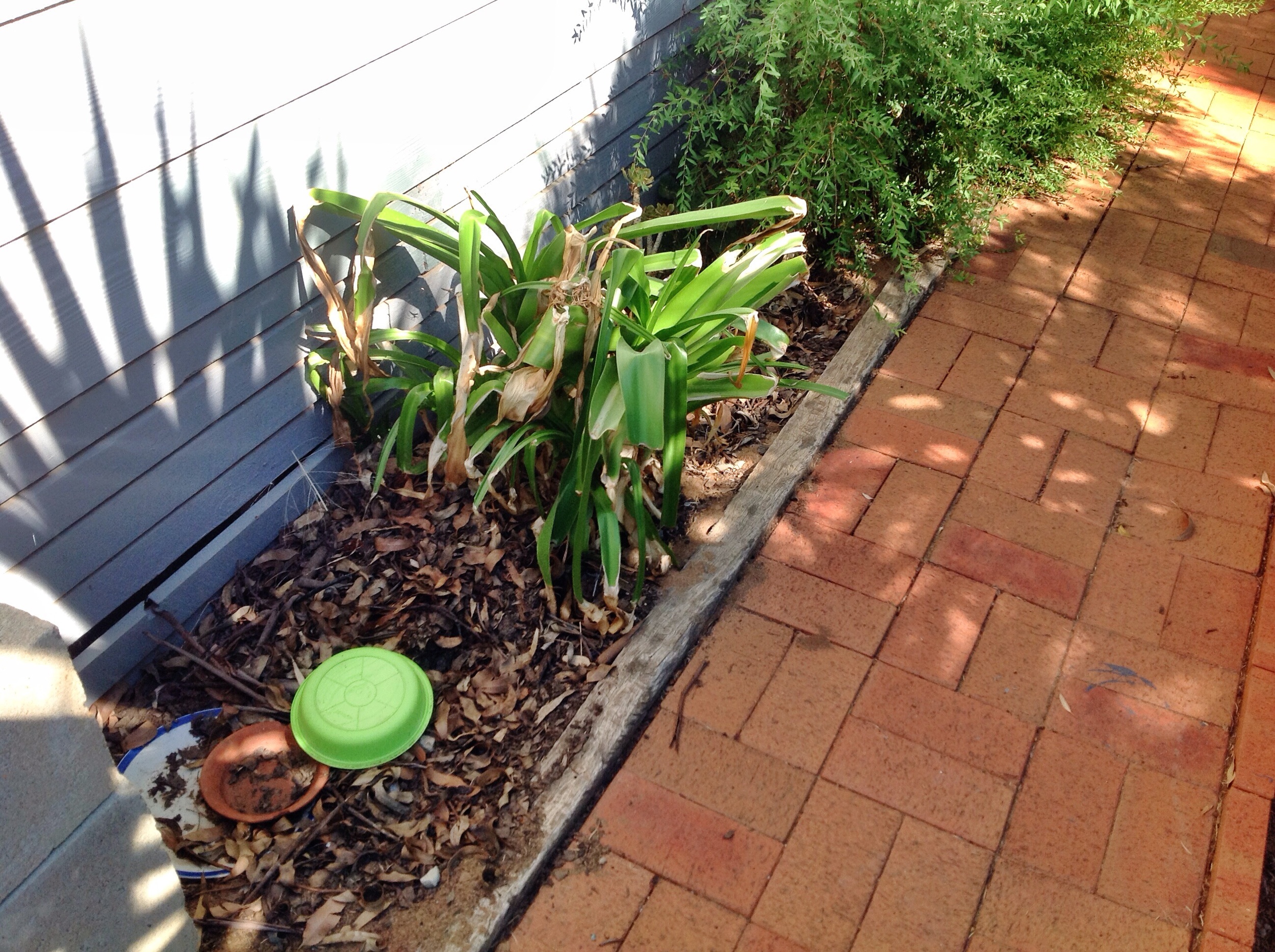
This garden area not only restricts access to the subfloor, but the plants and decaying organic matter is like a billboard inviting the termites in!

This garden area not only restricts access to the subfloor, but the plants and decaying organic matter is like a billboard inviting the termites in!

There's little hope of doing a good termite inspection with this much foliage! (And a greater chance of finding termites!)

There's little hope of doing a good termite inspection with this much foliage! (And a greater chance of finding termites!)

Not only do the plants against the building compromise the building, but having the timber in the garden makes a great appetizer for the termites before they make it inside.

Not only do the plants against the building compromise the building, but having the timber in the garden makes a great appetizer for the termites before they make it inside.

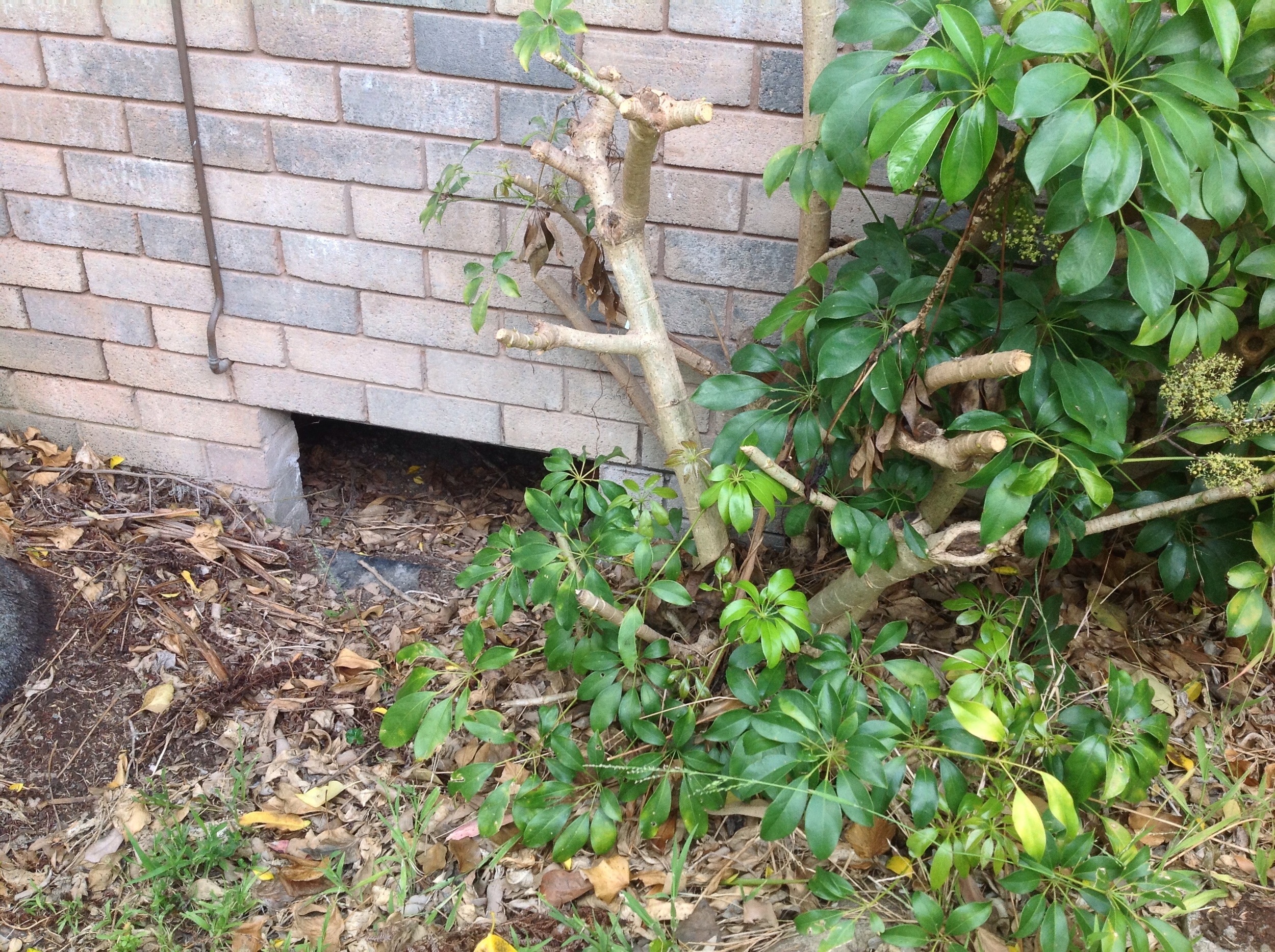
This subfloor opening was ONLY JUST big enough!

This subfloor opening was ONLY JUST big enough!

Extensive damage - often concealed!

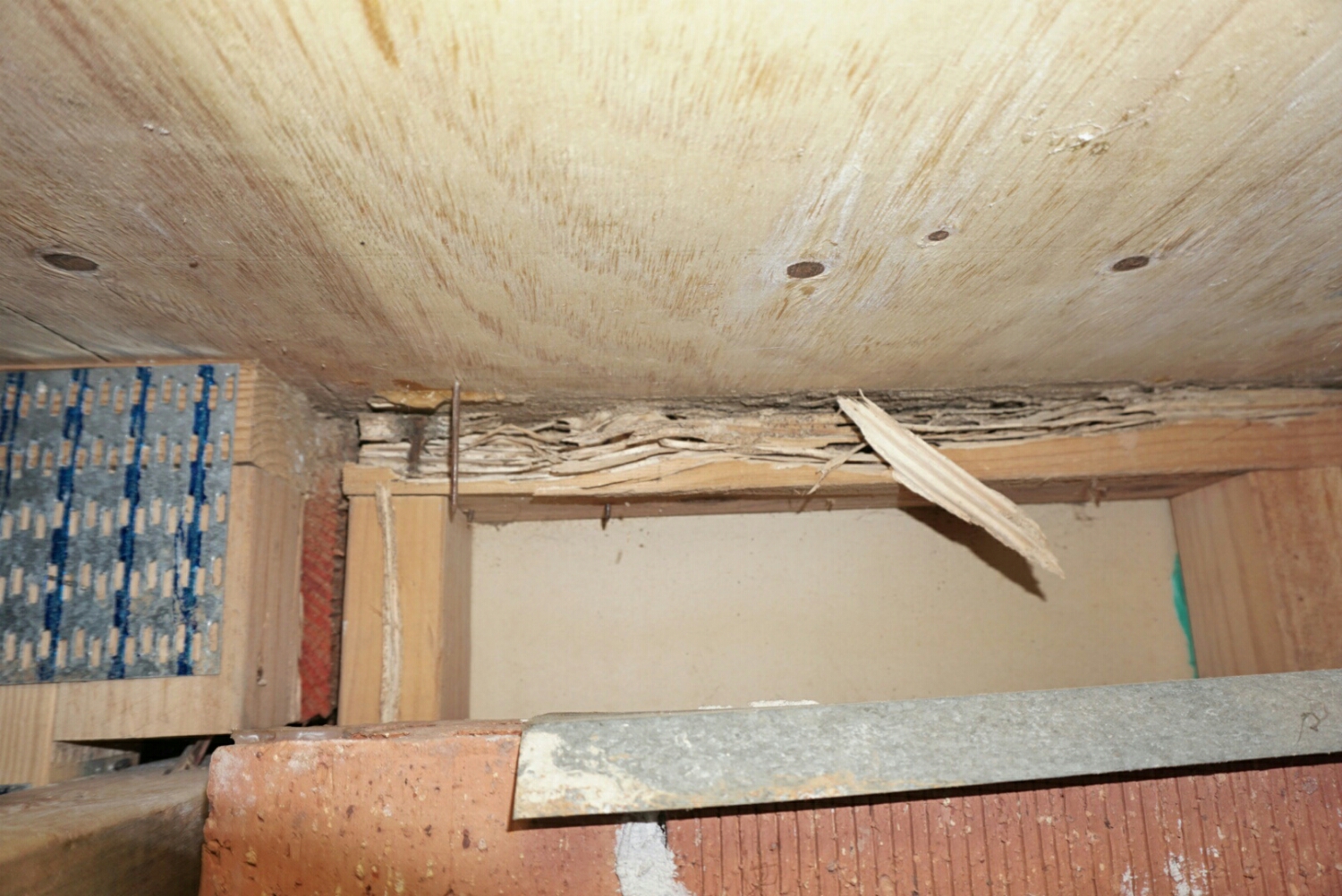
Extensive termite workings, the termites made themselves right at home, then invited all their friends and family over for an all you can eat buffet....

Extensive termite workings, the termites made themselves right at home, then invited all their friends and family over for an all you can eat buffet....

Termites make themselves right at home in yours. This infestation was an extensive one, with large amounts of damage done to structural timbers on this house. Interestingly (or maybe not so much) the extent of the damage was only fully realised after the plaster board was removed and the frames visually inspected.